Roll the Dice, Skip the Feed: How Japanese Board Game Cafés Are Changing What Americans Want From a Night Out
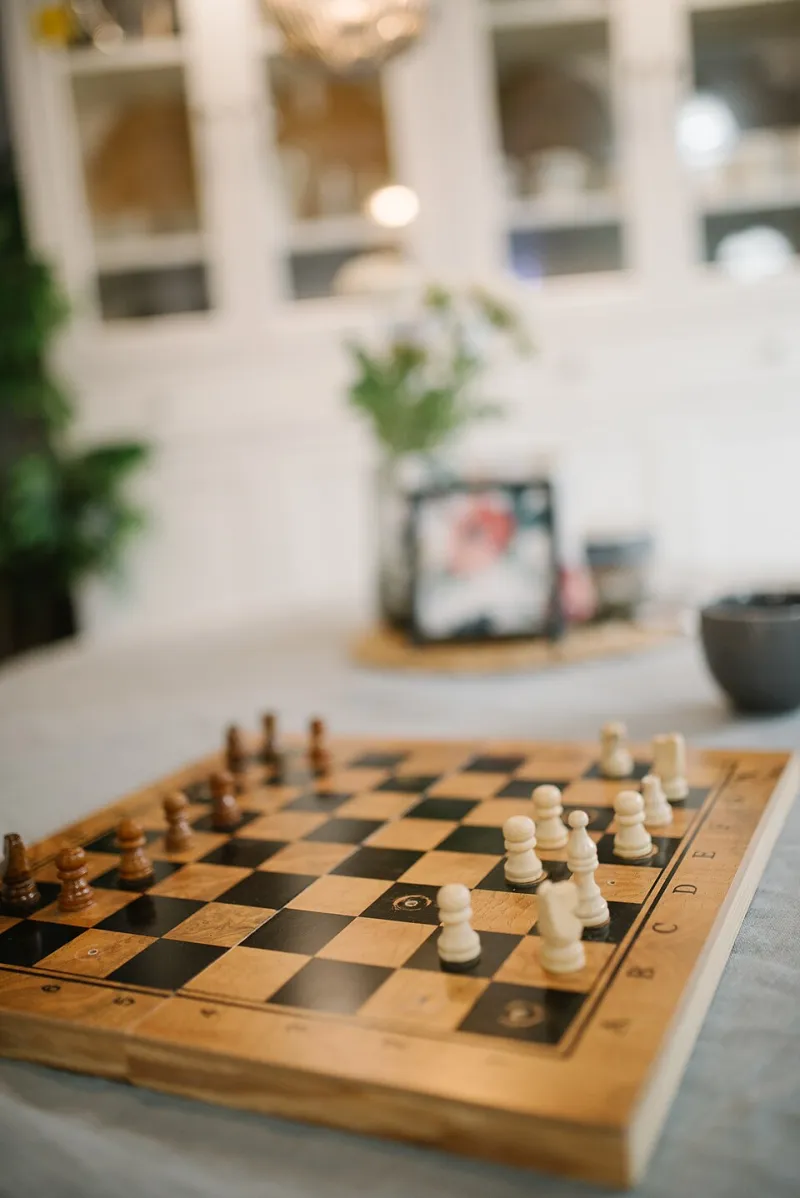
Photo: Shixart1985, CC BY 2.0, via Wikimedia Commons
There's a moment that happens in almost every Japanese board game café. You're halfway through a tile-placement game you've never seen before, your matcha latte is getting cold, and someone across the table is laughing so hard they can barely explain their next move. Your phone is face-down in your bag. You haven't thought about it in an hour.
That moment — that specific, increasingly rare moment — is exactly what's driving a quiet revolution in American social culture.
Japanese-style board game cafés are landing in US cities, and they're not just bringing the games. They're bringing an entire philosophy about what it means to spend time with other people.
More Than Just a Game Night
Walk into a board game café in Tokyo's Shimokitazawa neighborhood and you'll notice something immediately: the space is designed to slow you down. Low lighting, soft music, wooden shelves stacked floor-to-ceiling with hundreds of boxed games, and staff — called game masters — who actually know every title in the library and will sit down to teach you the rules.
This isn't Chuck E. Cheese. It's not a bar with a dusty Scrabble set in the corner. It's a curated, intentional experience built around the idea that play is a social art form worth taking seriously.
American operators are starting to copy this blueprint almost exactly. Spots like Snakes & Lattes (which has Canadian roots but is expanding aggressively into US markets), Hex & Company in New York, and a growing wave of independently owned cafés in cities like Austin, Chicago, and Portland are borrowing heavily from the Japanese model: paid hourly access, dedicated staff who guide gameplay, and menus designed to keep people comfortable enough to stay for three or four hours.
The numbers are compelling. The US board game market hit roughly $3.1 billion in 2023, and café-style venues are increasingly credited with pulling in consumers who wouldn't normally buy a game off a shelf — people who want the experience without the commitment.
What Japanese Designers Actually Understand About Playing Together
Here's where it gets interesting. Japanese board game culture didn't just produce a café format — it produced a design sensibility that Western publishers are only beginning to catch up with.
Japanese designers tend to prioritize what you might call social texture. Games like Hanabi (a cooperative card game played with hidden information) or Sagrada (a dice-drafting puzzle with clean, elegant rules) are built to generate conversation, negotiation, and shared storytelling rather than just competition. The win condition almost feels secondary to the experience of getting there.
Compare that to a lot of American game design, which has historically defaulted to conquest mechanics — longer play times, heavier rule sets, steeper learning curves. There's a place for those games, obviously. But they don't exactly scream first date activity or work team outing.
Japanese publishers like Oink Games have made a near-art form out of micro-games: tiny boxes, ten-minute play times, zero intimidation factor. These games are perfect for café settings because they lower the barrier to entry dramatically. A table of strangers can learn a game in five minutes and be genuinely invested in the outcome by minute seven.
That accessibility is a feature, not a compromise.
The Psychology of Putting the Phone Down
There's a reason board game cafés are resonating so strongly right now, and it's not just nostalgia. Researchers studying social behavior have consistently found that face-to-face play — the kind that involves physical objects, eye contact, and real-time reactions — activates social bonding in ways that screen-based interaction simply doesn't replicate.
When you're playing a physical game, you're reading body language. You're laughing at the same time as someone else. You're sharing a tactile experience. The cardboard and the dice and the awkward shuffle of tiles are doing social work that a Discord server can't quite match.
Digital fatigue is real, and Americans are feeling it acutely. After years of socializing through apps, games, and platforms — through a screen, always through a screen — there's a growing appetite for something that feels more grounded. Board game cafés are capitalizing on that appetite, and the Japanese model is particularly well-suited to it because it was never really about the games in the first place.
It was always about the table.
The Café Part Matters Too
One thing American venues are learning from their Japanese counterparts: the food and drink aren't an afterthought. In Japan, a great board game café is also just a great café. The drinks are good. The snacks make sense for long play sessions (nothing too messy, nothing too pricey). The furniture is comfortable without being so comfortable that you fall asleep.
This sounds obvious, but it represents a meaningful shift from the American bar-game-night model, where the games are secondary to the alcohol and the vibe is more chaotic than curated. Japanese-influenced venues are betting that a significant chunk of Americans — especially younger millennials and Gen Z — actually want the quieter, more intentional version.
Based on the waitlists at some of the more popular spots, they're betting right.
What Comes Next
The board game café trend isn't going to replace bars or restaurants or movie theaters. But it's carving out a real niche in the American social landscape, and that niche is only going to grow as digital burnout continues to push people toward offline experiences that feel genuinely different.
What's exciting, from a play culture perspective, is that this isn't just an import of a format. It's an import of a philosophy — one that says play deserves care, community deserves attention, and a Saturday night spent learning a new tile game with good people is time extremely well spent.
Japanese play culture has always understood that the best games aren't the ones with the flashiest mechanics. They're the ones that make you forget to check your phone.
America is finally starting to agree.